

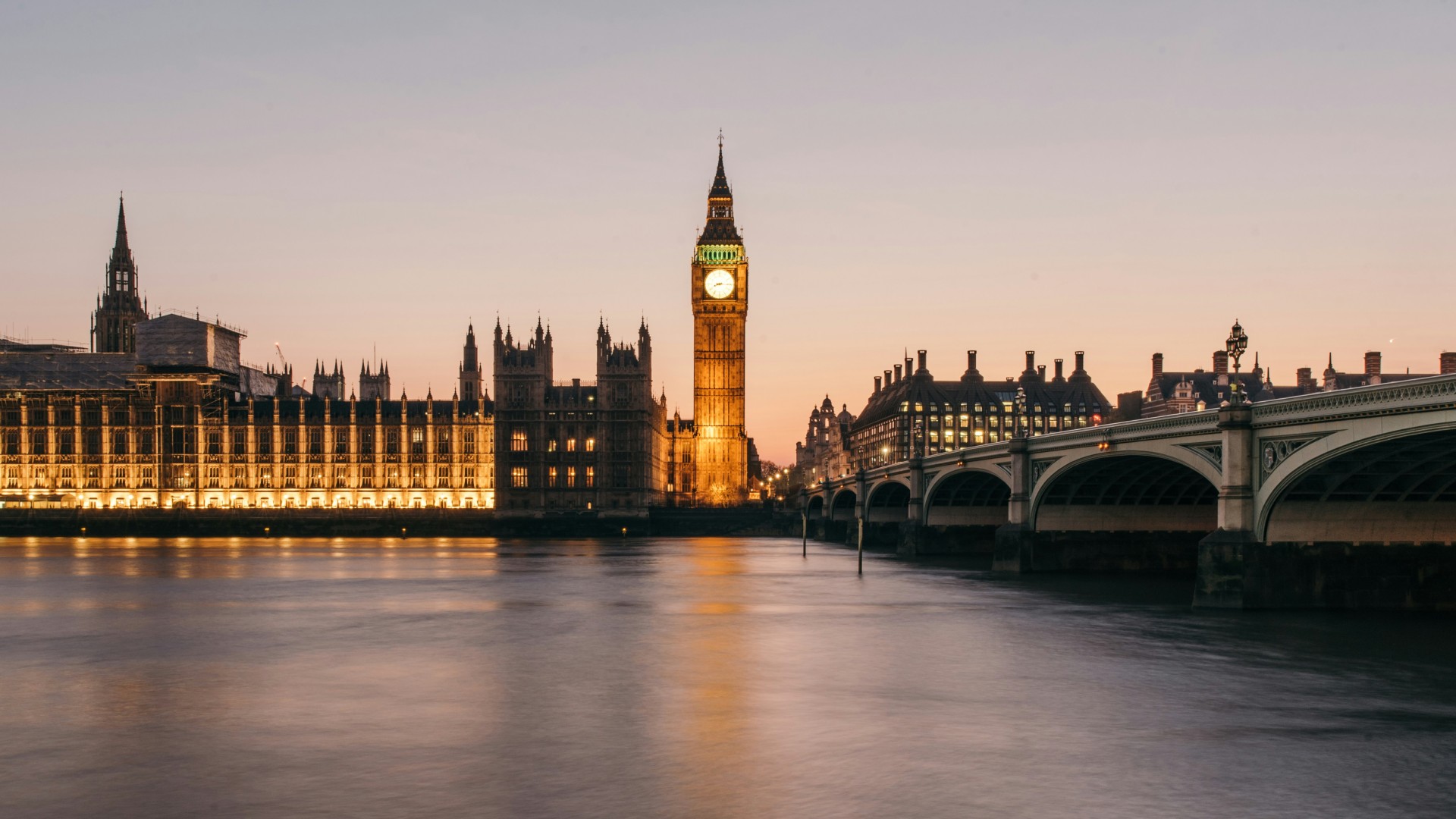

The King’s Speech has set out the UK government’s legislative priorities for the year ahead, with energy security, electrification and infrastructure reform placed firmly at the centre of the agenda.
For the energy and sustainability sector, the biggest announcement was the proposed Energy Independence Bill – designed to speed up clean energy deployment, strengthen grid infrastructure and reduce the UK’s exposure to volatile global fossil fuel markets.
Here, the Energy Advice Hub team breaks down the key announcements and what they could mean for businesses, homeowners and the wider low-carbon sector.
Energy Independence Bill takes centre stage
The headline announcement for the sector was the introduction of a new Energy Independence Bill.
According to the government, the Bill aims to “scale-up homegrown renewable energy and protect living standards for the long-term”, while giving ministers greater powers to accelerate clean energy technologies and vital grid infrastructure.
The move reflects growing political focus on energy security following continued geopolitical instability and volatility in international gas markets.
In practice, the Bill is expected to support:
- Faster deployment of renewable energy projects
- Grid and infrastructure upgrades
- Greater electrification of homes and transport
- Reforms to electricity pricing
- Expanded energy market regulation
- Increased consumer participation in grid flexibility
The government also confirmed plans to reform the role of Ofgem, including potentially expanding its remit to regulate third-party energy intermediaries such as brokers.
Breaking the link between gas and electricity prices
One of the most significant proposals for consumers and businesses is the government’s intention to reform how electricity prices are set.
For years, UK electricity prices have been closely tied to gas prices – even as renewable generation has increased. The government says proposed reforms, alongside the Electricity Generator Levy Bill, are intended to reduce exposure to gas price spikes that have driven up bills in recent years.
The levy on electricity generators is expected to rise from 45% to 55%, while some older renewable assets may move onto fixed-price contracts.
Industry broadly welcomed efforts to reduce reliance on volatile fossil fuel pricing, although it’s clear greater certainty is needed on how and when reforms will be implemented.
More support for flexibility, EVs and home energy technology
The speech also pointed towards wider reforms designed to encourage flexible electricity use and decentralised energy technologies.
This could mean a bigger role for:
- Solar panels
- Home battery storage
- Electric vehicles
- Heat pumps
- Smart energy systems
The reforms could allow households and businesses to benefit more directly from periods of high renewable generation by selling electricity back to the grid more fairly and helping balance the system.
The proposals align with the government’s wider push towards electrification and “homegrown” energy.
Nuclear reform moves forward
Alongside renewables, nuclear energy remains a major part of the government’s energy security strategy.
The King’s Speech confirmed plans for a Nuclear Regulation Bill and support for recommendations from the Nuclear Regulatory Review, led by John Fingleton.
The review called for a “radical reset” of the UK’s nuclear regulatory system, including faster planning approvals, reduced regulatory duplication and a lead-regulator model for projects.
The changes are expected to support both large-scale nuclear developments and emerging small modular reactor (SMR) projects.
For the sector, the key question will be whether reforms genuinely accelerate project delivery without adding further complexity elsewhere in the system.
Grid capacity and infrastructure remain major challenges
While the direction of travel has been broadly welcomed across the sector, questions remain around delivery and infrastructure readiness.
Grid connection delays have been a long-standing challenge for the UK energy sector, with renewable projects, battery storage and major developments often facing lengthy wait times to connect to the electricity network. As electrification continues to accelerate across industry, pressure on grid infrastructure is expected to increase further.
The government’s focus on speeding up infrastructure delivery and reforming the energy system will therefore be seen as a critical test of how quickly clean energy ambitions can be turned into real-world deployment.
Skills shortages could slow progress
Another recurring concern from industry was the growing green skills gap.
Manufacturers, installers and clean energy specialists warned that the UK does not currently have enough trained workers to meet rising demand for technologies such as heat pumps, solar PV and battery storage.
Industry bodies including Beama called for faster, more flexible skills and training reform to support electrification and infrastructure delivery.
Many are now looking for further detail around the proposed Growth and Skills Levy and shorter, more agile training pathways.
Water reform also enters the spotlight
Alongside energy policy, the government confirmed plans for a new Clean Water Bill.
The legislation is expected to strengthen environmental oversight, improve water infrastructure planning and respond to growing public concern around sewage pollution and river quality.
The reforms follow the Cunliffe Review and proposals to overhaul regulation of the sector, including potentially replacing Ofwat with a new integrated regulator.
The challenge now is delivery
The King’s Speech included more than 35 proposed bills as the government attempts to refocus its agenda around economic resilience, infrastructure and national security.
For the energy and sustainability sector, the direction of travel is now clear: faster electrification, greater energy independence and accelerated clean infrastructure delivery.
However, the success of the programme will likely depend on whether government can overcome longstanding barriers around planning, grid capacity, investment certainty and skills shortages.
The detail behind the Energy Independence Bill is expected to be published when the legislation is formally introduced to Parliament in the coming weeks.
If this or any of our content has interested you, get in touch with our experts at Sustainable Energy First.