


The UK Emissions Trading Scheme (ETS) Authority has confirmed multiple updates that will involve many sectors impacted by the carbon market, including maritime, waste, heavy industry, and energy operators. Key updates include new sector inclusion, phase-out of free allowances, and confirmation of the scheme’s continuation beyond 2030. Here’s what you need to know.
Expansion to new sectors: Maritime and EfW
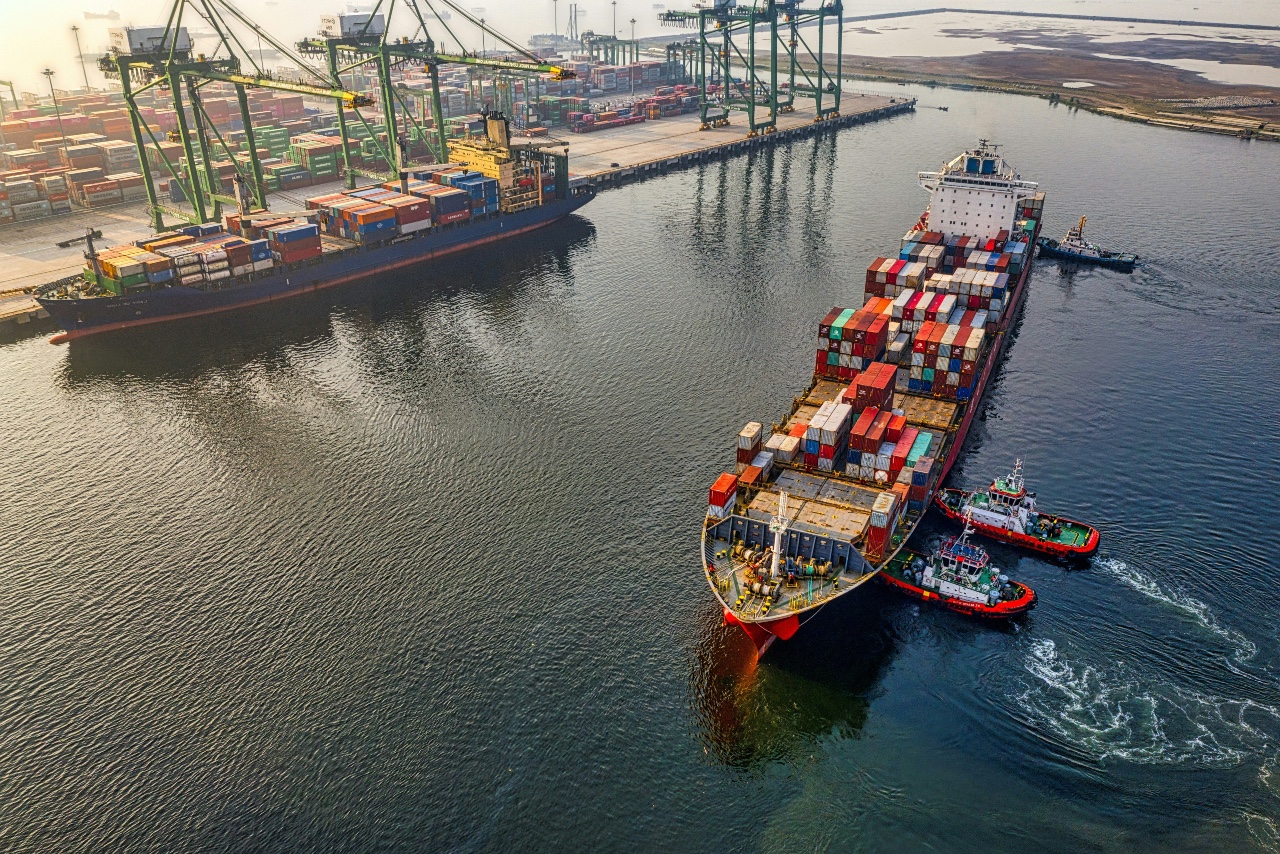
From 1 July 2026, vessels 5,000GT or above will be included in the scope of the UK ETS. This comes as part of the decision made on 25 November 2025 to include domestic maritime emissions in the ETS, along with an additional 9.3 million allowances that will be added to reflect maritime emissions. The threshold will be up for review again in 2028. Other derogations include:
- Offshore vessels deferred to January 2027
- Exemptions, subject to 2028 review:
-
- Certain Scottish island/peninsula ferry routes
- Fishing vessels
Energy-from-Waste (EfW) and waste-incineration have been confirmed in inclusion timelines. First, there will be a voluntary monitoring, reporting and verification (MRV) period from 1 January 2026, followed by the implementation of full ETS obligations from 2028.
Free allocation review with changes from 2027
On 26 November 2025, the UK ETS Authority published its final response to the free allocation review, confirming that the amount of free carbon allowances given to industrial sectors will decline significantly over the coming years.
For sectors that will fall under the UK’s forthcoming Carbon Border Adjustment Mechanism (CBAM), such as steel, cement, aluminium and fertilisers, free allocation will begin a gradual phase-out from 2027. This is intended to prevent “double protection” once CBAM introduces a carbon price on imports and levels the playing field for domestic producers.
For all other sectors currently receiving free allowances, allocation will continue but ratchet down gradually until 2030, following the UK ETS’s existing phase-out schedule.
The Authority also confirmed that the UK will adopt updated EU-style benchmark values for free allocation from 2028, subject to further impact assessment.
Scheme extension beyond 2030 confirmed
The UK ETS will continue beyond 2030, with a new Phase II beginning from 1 January 2031.
Notably, participants will be able to bank unused allowances from Phase I into Phase II, preserving market continuity and reducing the risk of disruptive price shocks at the phase boundary. This continuity aligns the UK ETS more closely with the EU ETS, which already allows cross-phase banking.
Additional measures for market stability
The UK ETS Authority has confirmed several measures to provide stability and predictability for businesses as the scheme expands.
- Auction Reserve Price (ARP): The ARP will rise from £22 to £28 in 2026, and from 2027 it will be indexed annually to inflation to maintain a meaningful price floor.
- Cost Containment Mechanism (CCM): The CCM remains unchanged, ensuring that protections against sharp price spikes continue as before.
- No Supply Adjustment Mechanism (SAM). The Authority decided not to introduce the proposed automatic Supply Adjustment Mechanism, opting to retain the simpler existing system of ARP + CCM.
- Auction operations. The government has re-appointed ICE to run UK ETS auctions through 2028, and the 2026 auction calendar has been published, giving businesses clear visibility of upcoming auction dates.
What do the UK ETS updates mean for business?
Maritime operators
From mid-2026, domestic vessels of 5000 GT and above will be brought into the UK ETS, meaning operators will face new carbon costs. Businesses should now begin preparing compliance and emissions-monitoring systems and factor future carbon pricing into budgets.
Waste, EfW and wider waste-management sector
Although full UK ETS inclusion does not begin until 2028, the voluntary MRV phase starts in 2026. Operators should begin collecting robust emissions data and planning for future compliance costs. Depending on carbon price levels, this could raise disposal costs for waste processors, local authorities and commercial customers.
Industries receiving free allocation
Free allowances will be phased out more quickly for sectors covered by the UK’s upcoming Carbon Border Adjustment Mechanism (CBAM). From 2027, more companies will need to purchase allowances, making carbon an ongoing operational cost. This strengthens the business case for early decarbonisation to limit future exposure.
Looking ahead, implications of the UK ETS updates indicate that it’s better for businesses to start planning now, rather than waiting for upcoming changes to the scheme. Read our full guide to the UK ETS here. If your business could be impacted, get in touch with one of our experts at Sustainable Energy First for a no-obligation chat.