
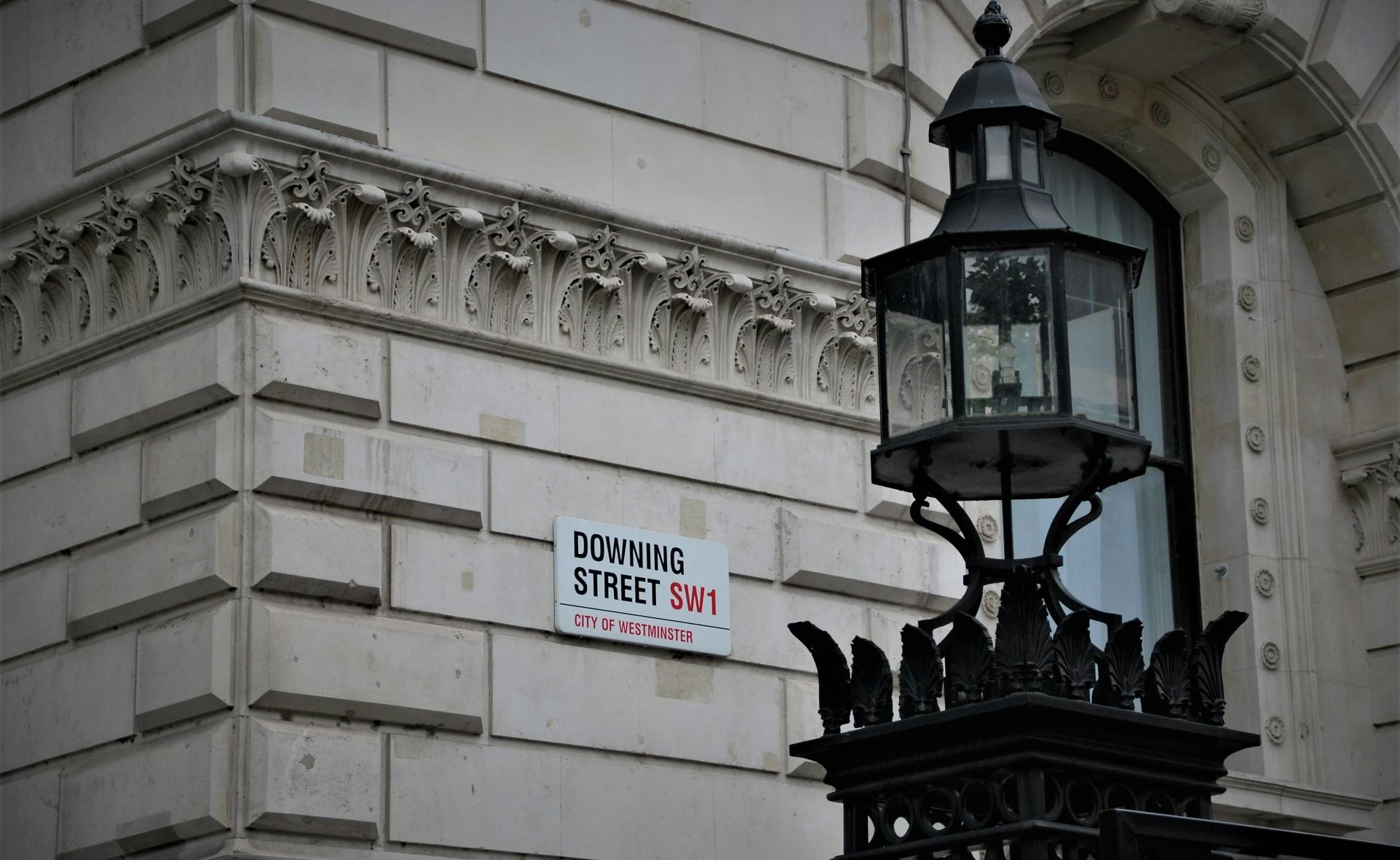

Andy Burnham has confirmed he will be running to replace Keir Starmer as Labour leader and Prime Minister. If he’s successful, what can businesses expect from his energy policy?
“We do need to bring down water bills, energy bills, rail fares, just as we brought down bus fares in Greater Manchester,” said Andy Burnham in his victory speech after winning the Makerfield by-election on Thursday.
It is clear that this contender for the top job is prioritising bringing costs down, but how exactly? When campaigning for Makerfield, he told Channel 4 News: “We need a different path completely. What is that path? Put more things back under stronger public control: energy, housing, water, transport.” He gave the example of Manchester’s bus services, where putting them back under public control allowed him to cap fares at £2.
What does Burnham mean by “public control” of energy?
He probably doesn’t mean full public ownership. That’s not what he fought for with Manchester’s buses – instead, the Bee Network is a franchising system in which private operators bid for contracts to serve routes.
Full public ownership of the UK’s energy sector would mean a return to the pre-deregulation system where nationalised companies handled the production, distribution and pricing of energy. It’s very unlikely that Burnham would go this far.
Our best guess is that Burnham will preserve the status quo when it comes to power generation, which is currently done by private companies. We would not expect him to scrap the Contracts for Difference scheme, which supports private developers to set up renewable generation projects, although he might make some changes.
We also expect him to leave the selling of energy to the customer in the hands of private companies.
Where Burnham might make changes is in the area of energy transmission and distribution, which is handled by a number of different private companies. (Ofgem has a list of distribution and transmission network operators.)
A Burnham government couldn’t make any changes to the structure of Northern Ireland’s energy sector, because this is a devolved responsibility. The UK government is only responsible for GB energy: England, Scotland and Wales.
Will Andy Burnham continue North Sea drilling?
If he becomes PM, Burnham could clash with Ed Miliband over the question of North Sea oil and gas. The current energy secretary announced a ban on new licences the same day that Burnham threw his hat in the ring.
Miliband said that it is “the only way to bring down bills for good and take back control of our energy”. But opposition politicians and some companies in the energy sector (like British Gas) are arguing that the move will bring job losses. On the day of Burnham’s Makerfield victory, the Conservatives were celebrating in Aberdeen after their pro-drilling campaign won them the by-election. Although Burnham has claimed that he’s neutral on the issue, he is under pressure from trade unions to visibly support jobs in the fossil fuel sector.
However, the ban on new licences isn’t due to come in until 2030, and existing oil and gas fields would be permitted to continue operating until they run out. If he decides to support Miliband’s move, Burnham could use this window of time to prove that the clean energy transition will create replacement jobs. But it’s more likely that he will find a way to postpone or soften the ban.
There’s also the issue of taxes on the big oil and gas producers. Rather than a flat levy, Miliband intends to link taxes to wholesale energy prices. We expect Burnham to support this.
Will Andy Burnham keep net zero?
Yes – but he might not frame it that way. It’s clear from Burnham’s campaigning that his priority around energy is bringing costs down for the customer. The UK’s transition towards renewable energy means cheaper energy generation and less exposure to volatile fossil fuel prices. Other measures, like supporting businesses as they transition to less energy-intensive processes, are good for the economy.
Reversing the net zero pledge would actually have no effect on many of the UK’s carbon management measures. For example, we now have an agreement linking the UK’s Emissions Trading Scheme with the EU one. This is worth billions to the UK economy and it’s estimated to save UK exporters hundreds of millions of pounds.
So, while we don’t expect Burnham to express much excitement about net zero, he is likely to keep many carbon reduction measures in place because of their other benefits.
Would PM Burnham scrap green levies?
For businesses, non-commodity charges make up a significant portion of the typical energy bill. Many of these charges go towards supporting green generation. Ultimately the expansion of renewable generation capacity brings the price of energy down for all of us. But green levies are unpopular with the public – David Cameron’s “green crap” comment summed up the view of many. Rather than making the difficult political case for green levies, Burnham is more likely to cut them. We just don’t know what he’ll cut and who will see the biggest relief: domestic or business customers?
Will there still be help for energy-intensive businesses?
If Burnham becomes PM, we expect government support for energy-intensive industries to stay in place, albeit perhaps in a different form. As you’ve read, he’s likely to tackle green levies on energy bills in some form. His support for businesses could involve expanding the renewable levy exemptions available.
If the content of this or any of our articles has interested you, please get in touch for a no-obligation chat with our industry-leading experts at Sustainable Energy First.