

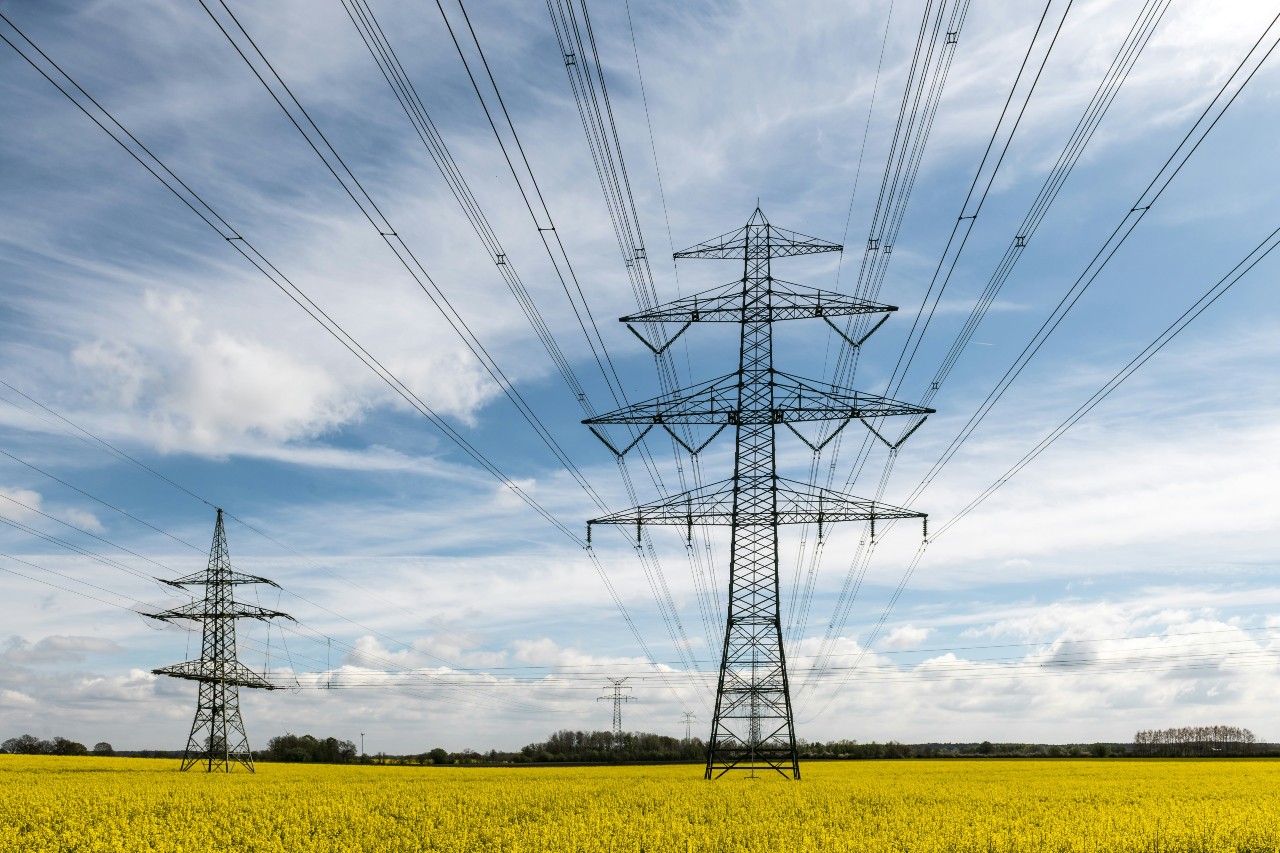

Investment in the UK’s electricity networks could contribute £58 billion in gross value added (GVA) to the economy and support more than 210,000 jobs by 2035, according to a new Sector Growth Plan published by the Energy Networks Association (ENA) and electrical equipment manufacturers’ association BEAMA.
The Plan is the first of its kind and aims to maximise the economic benefits of upgrading and expanding electricity networks as the UK transitions towards a more electrified, low-carbon energy system.
Produced with input from the UK Government, Scottish Government, Welsh Government, Ofgem, employers and trade unions, the Plan also sets out practical measures to strengthen Britain’s industrial capabilities by providing greater transparency around planned upgrades for manufacturers and SMEs.
These include enhanced supply chain visibility so manufacturers and SMEs can plan multi-year capacity, a shared Local Content methodology to enable quantification of UK economic benefits and a shift towards facilitating long-term procurement and collaboration. The ENA says these measures will give businesses the confidence to invest, expand and create jobs across the country.
Energy security and resilience
Great Britain is undertaking the largest expansion of its electricity networks since the creation of the national grid in the 1920s.
This investment is seen as vital to the UK’s energy security, helping reduce exposure to global supply chain disruption and international market volatility. Although Great Britain’s electricity networks currently achieve 99.99% reliability, ageing infrastructure requires ongoing investment to maintain these standards and support future electricity demand. Demand is set to double by 2050 as transport, buildings and industry shift away from fossil fuels and towards electrification, powered by clean sources.
Limiting the cost to consumers
The Plan argues that investing in electricity networks early could help reduce long-term energy system costs and limit the impact on consumer bills. Upgrading infrastructure can accelerate the connection of low-carbon generation, improve system efficiency and increase access to renewable electricity, reducing reliance on volatile international gas markets.
The National Energy System Operator (NESO) estimates that strategic network upgrades could reduce annual constraint costs by around £6 billion by 2030. The Plan suggests these savings could substantially offset network investment costs, limiting the net impact on consumers to around 0.5p/kWh.