

Solar power reached record-breaking levels in Great Britain in 2025, driven by a major expansion in capacity and the sunniest year ever recorded.
According to sector trade body Solar Energy UK, solar provided a record 6.3% of Great Britain’s in 2025, a 30% rise on 2024, based on data from the National Energy System Operator (NESO).
As of 16th December, an estimated 18,314 gigawatt-hours of sun-powered electricity was generated over the year. Solar Energy UK estimates this is enough to make over 732 billion cups of tea or keep around 4.6m typical three-bed semi-detached homes warm using a heat pump for a year.
The figures reflect a wider transition to a cleaner electricity mix. Great Britain’s electricity supplies had their second lowest carbon intensity ever in 2025, averaging only 126 grams of CO2 per kilowatt-hour, down from 444g/CO2 in 2009.
Increased capacity
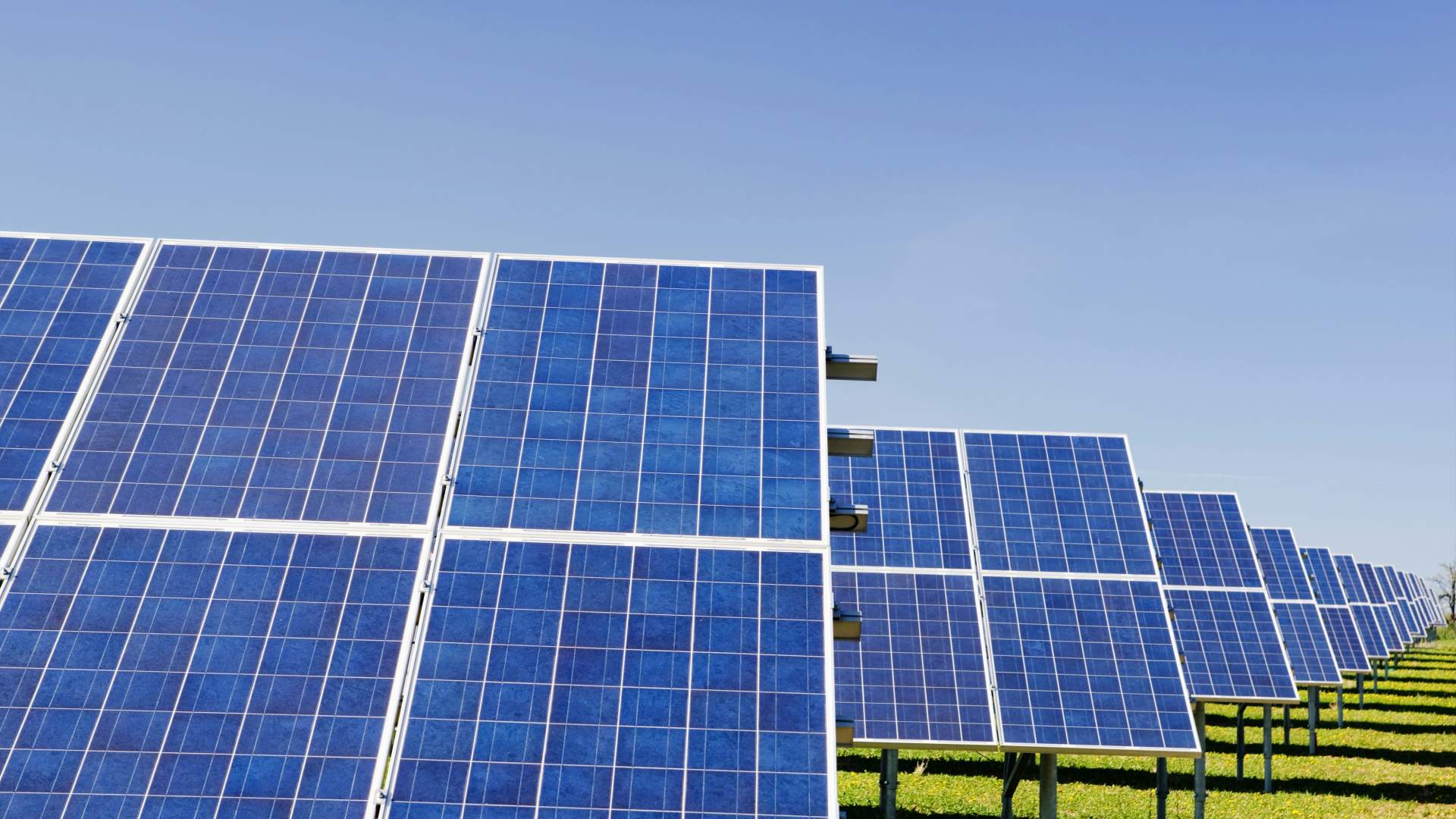
An 18% surge in capacity over the year accounted for much of the rise in solar generation. Capacity grew about 20.2 gigawatts to around 23.8GW by the end of the year, according to estimates from Solar Media’s Market Research Analyst Josh Cornes. Around 650MW is expected at the smaller scale (largely on residential rooftops), 450MW on the roofs of commercial buildings and 2.5GW on the ground as solar farms.
Rooftop solar saw a record number of installations, with almost 250,000 reported during the 2025. Much of this growth was linked to new housing developments, where solar panels are increasingly installed as standard. The forthcoming Future Homes and Buildings Standards are expected to reinforce this trend.
On a larger scale, 2025 saw the go-live of 373MW Cleve Hill solar farm in Kent, the largest solar installation in the UK to date.
Record-breaking sunshine
The weather this year also played a significant role. According to the Met Office, the UK recorded 1622 hours of sunshine up until 15 December, making it the sunniest year since records began in 2010, and beating its previous sunniest year set in 2003.
Scotland saw its second sunniest year, Wales its sixth, while Northern Ireland was well above the long-term average.
Chris Hewett, Chief Executive of Solar Energy UK, said that that solar capacity is set to rise over 60GW over the coming decade and emphasised it has “long passed being a bit-player” in the UK’s energy mix. “It is now supplying six times more hydropower, more than half of the output from nuclear and a quarter of the power generated from natural gas.” He added.