

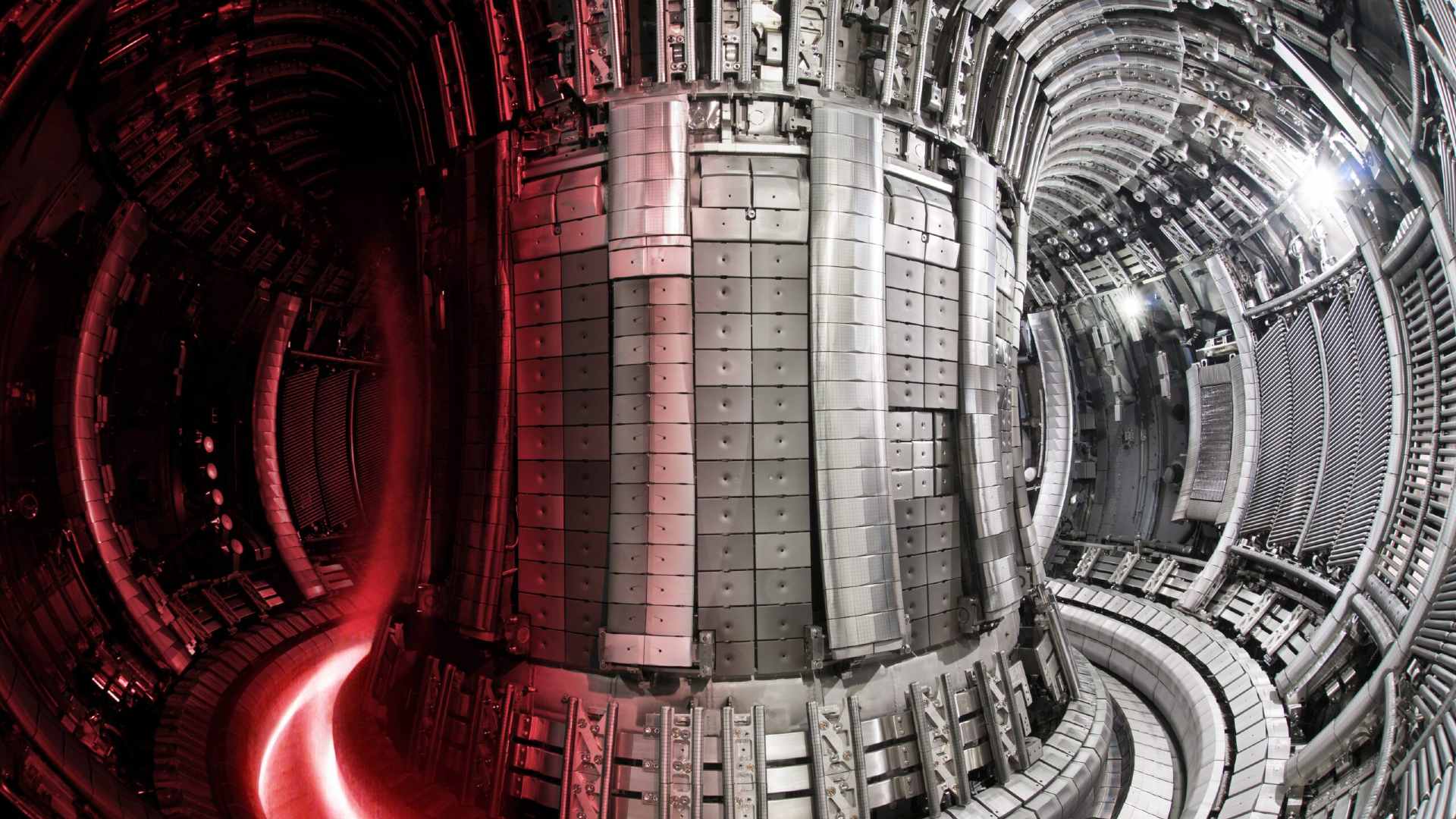

The UK government has set out how it intends to spend £2.5 billion on nuclear fusion, offering the clearest picture yet of its long-term bet on the technology as a pillar of future energy security.
While the money itself was confirmed at the 2025 Spending Review, the newly published UK fusion strategy marks the first time ministers have detailed how it will be allocated. Plans include major infrastructure, investment in skills, and an AI supercomputer to accelerate fusion design.
Central to the programme is the Spherical Tokamak for Energy Production (STEP) project in Nottinghamshire, a prototype plant that the government hopes will produce net electricity by the 2040s. Beyond STEP, the strategy aims to strengthen domestic supply chains and attract private investment, positioning the UK as a competitive player in the global fusion race.
What fusion energy is and why it matters
Fusion replicates the process that powers the sun, fusing hydrogen isotopes at extremely high temperatures to release energy. In theory, it promises abundant, low-carbon electricity with fewer long-lived radioactive by-products than conventional nuclear fission. If commercialised, it could provide stable baseload power to complement renewables.
Currently, technical challenges remain immense. Sustaining the necessary temperatures and magnetic confinement systems consumes significant energy, and no country has yet produced fusion electricity at commercial scale.
Iran conflict highlights energy risks
The long-term promise of fusion comes into sharper focus amid current global instability. The Iran conflict has caused dramatic changes in energy markets, pushing up wholesale energy prices For the UK, domestic energy generation is increasingly seen as a buffer against such shocks.
While fusion could eventually transform the energy system, it is unlikely to contribute meaningfully to UK energy supply before the 2040s. Immediate solutions remain faster deployment of renewables, energy efficiency measures, and expanded storage capacity. Last week, the government outlined a package of near‑term measures aimed at strengthening the UK’s immediate energy resilience, including fast‑tracking the next renewables auction, introducing “plug‑in” solar panels for households, and speeding up the building of renewables and nuclear infrastructure.
Image credit: EUROFusion
If this or any of our content has interested you, get in touch for a no-obligations chat with one of our specialists at Sustainable Energy First.I